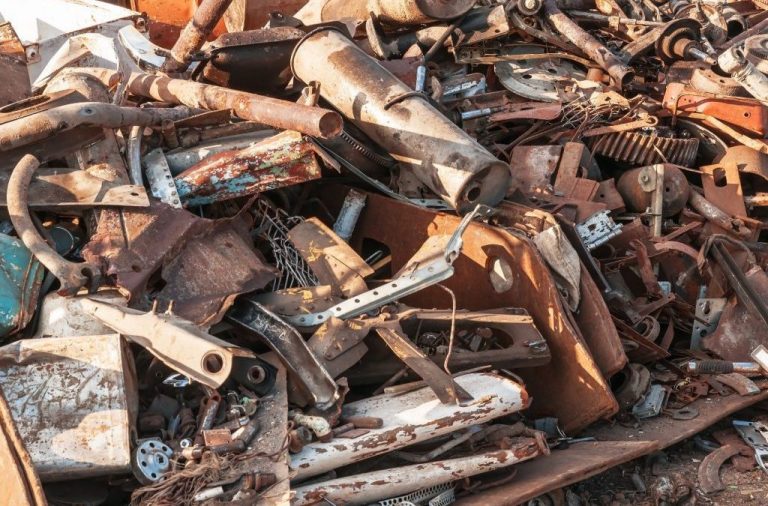
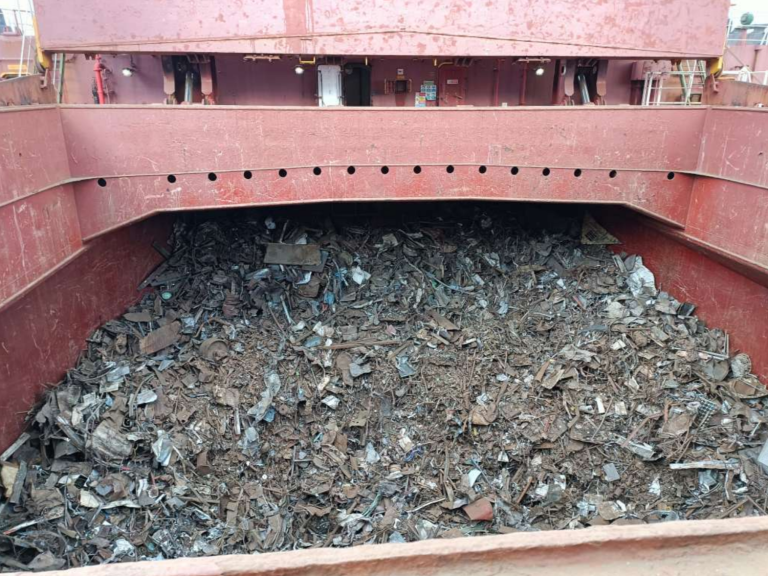
Steel and iron scrap at a Venezuelan recycling yard
Scrap metal recycling in Venezuela did not begin as an export industry. It started as a survival economy, grew into an organized domestic supply chain, and has since evolved into a sector capable of meeting international demand for ferrous, non-ferrous, and specialty metals. Understanding that evolution helps explain why the country is now a competitive origin for scrap buyers worldwide.
The early years: informal collection as the foundation
For decades, scrap metal recovery in Venezuela operated almost entirely outside formal structures. Independent collectors — often working with nothing more than a truck or handcart — gathered discarded metal from households, workshops, and construction sites, selling it to small local buyers. This informal layer still exists today and remains the entry point for most material entering the supply chain, but it originally had no connection to export markets at all. Metal collected this way was sold almost exclusively to domestic foundries and small processors.
Industrial decline created supply, not demand
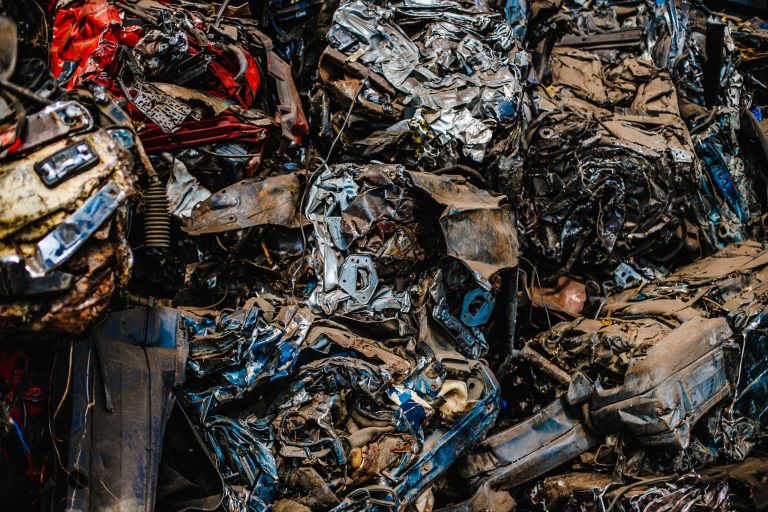
Decommissioned industrial equipment — a major source of scrap metal supply
A turning point for the industry came from an unexpected source: the gradual decommissioning of industrial equipment across Venezuela's manufacturing, oil, and infrastructure sectors. As factories closed or scaled down operations over the past two decades, large volumes of steel structures, machinery, transformers, cabling, and industrial components entered the scrap stream. This shifted the composition of available material — from mostly household and automotive scrap to a mix that included heavy industrial ferrous scrap (HMS grades) and specialty non-ferrous metals like transformer copper and cast aluminum.
This period is important to understand because it explains a structural feature of the Venezuelan scrap market that persists today: supply has often outpaced organized demand, creating pricing conditions that are competitive relative to other Latin American origins.
From domestic sale to export-ready supply chains
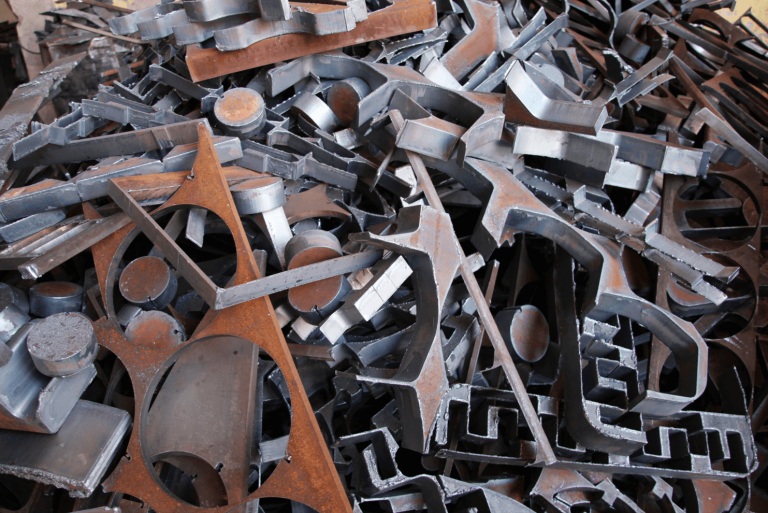
Scrap processing and sorting — from domestic to export-ready operations
As domestic industrial demand for scrap metal contracted, yards and processors that had previously sold only within Venezuela began building the infrastructure needed to serve international buyers. This transition required several changes:
- Sorting and grading practices aligned with international standards (ISRI classifications like HMS 1&2, Birch/Cliff, Taint/Tabor)
- Weighing, documentation, and certification processes suitable for export contracts
- Relationships with port operators and freight forwarders capable of handling both containerized and bulk breakbulk shipments
- Pricing models tied to international benchmarks (LME, COMEX) rather than purely local supply-demand dynamics
This is the phase during which companies like Iron Company RSA built out multi-metal capacity — handling copper, aluminum, lead, bronze, steel, and specialty scrap under a single, exportable operation rather than specializing in a single commodity.
The role of Venezuela's ports in industry growth
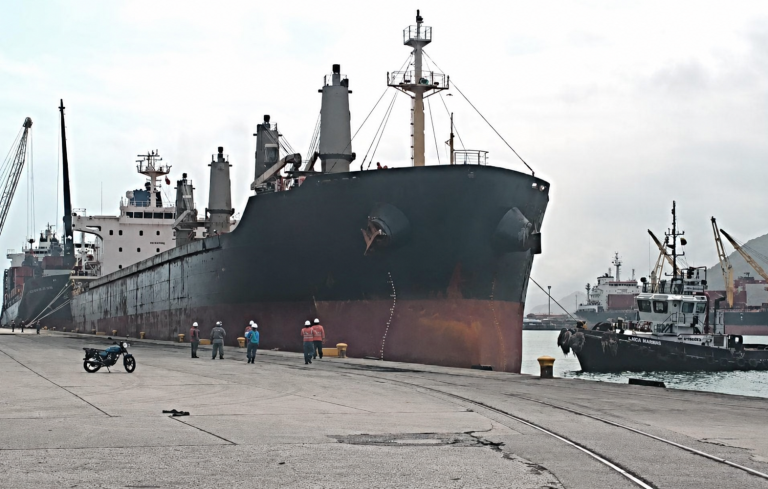
Port infrastructure — a structural advantage for Venezuelan scrap exports
Coastal access has been a structural advantage throughout this growth. Ports such as Puerto Cabello and La Guaira shortened the distance between inland collection points and international vessels, reducing freight costs relative to landlocked exporters in the region. As bulk loading capacity at these ports matured, it became possible to move full vessel loads of ferrous scrap efficiently — a capability that smaller, purely domestic operations never needed to develop.
Where the industry stands today
The Venezuelan scrap metal sector today operates on two tracks that feed each other. Informal and small-scale collection still supplies the bulk of raw material entering yards, exactly as it always has. But the processing and export layer above it has professionalized substantially: grading against recognized international standards, documentation aligned with customs requirements in destination countries, and logistics capacity covering both container and breakbulk shipping.
This dual structure — informal collection feeding a professionalized export operation — is what currently allows Venezuela to offer consistent volume across metal categories at competitive FOB pricing, something international buyers increasingly recognize when comparing sourcing origins.
Professionalized scrap export operation in Venezuela
What this history means for buyers today
Understanding this evolution matters practically, not just historically. It explains why:
- Grade consistency depends heavily on which supplier is sourcing the material — those with formalized sorting processes deliver more reliable ISRI-graded shipments than those relying purely on informal collection
- Volume availability tends to be strongest in ferrous scrap and copper, reflecting the industrial decommissioning that shaped the market
- Working with an established, multi-metal exporter reduces the risk buyers face when sourcing from a market still in the process of full formalization
For a deeper understanding of the Venezuelan scrap market, read our guide on how to import scrap metal from Venezuela and our ranking of which scrap metal types are worth the most in 2026.
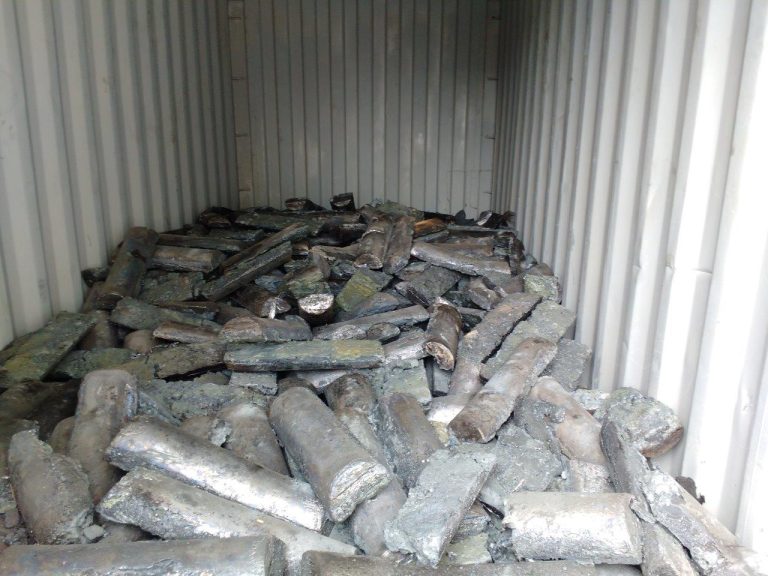
The Venezuelan scrap metal industry — from informal roots to global exports
Source scrap metal from a company built for export
Iron Company RSA has built its export operation across this full evolution of the industry — from sourcing through informal and industrial channels to formalized grading, documentation, and international shipping. Contact our team to learn how we can supply your next order of ferrous, non-ferrous, or specialty scrap metal from Venezuela.
Request current grades, volumes, and FOB pricing today.