
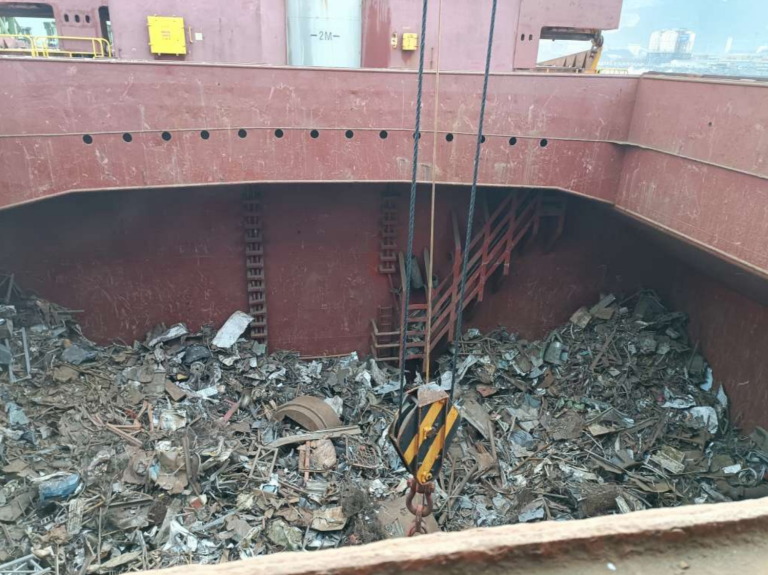
Breakbulk vessel at a Venezuelan port — scrap metal loading operation
Choosing the right port is one of the most overlooked decisions in scrap metal exporting, yet it directly affects freight cost, loading efficiency, and total transit time. In Venezuela, two ports handle the large majority of scrap metal exports: Puerto Cabello and La Guaira. Each has distinct characteristics that make it better suited to certain cargo types, volumes, and destinations. This guide breaks down the practical differences buyers and exporters should weigh when planning a shipment.
Why the choice of port matters for scrap metal exports
Scrap metal, unlike many other commodities, is typically shipped either in bulk (breakbulk) for large ferrous loads or in standard containers for non-ferrous and specialty grades. The port selected affects:
- How quickly cargo can move from the yard to the vessel
- Whether bulk loading equipment is available for large-tonnage ferrous shipments
- Proximity to major collection and processing yards, which affects inland freight cost
- Vessel availability and shipping line frequency to the buyer's destination
Puerto Cabello: Venezuela's primary bulk export hub
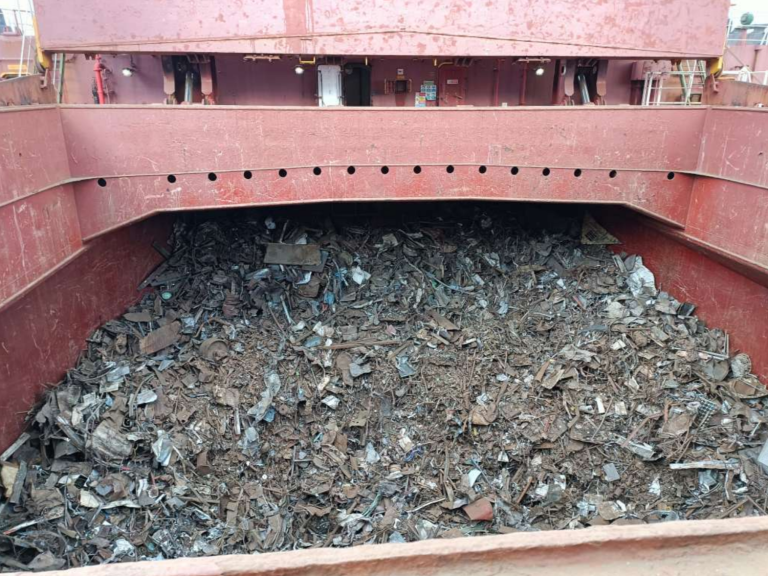
Bulk scrap loading at Puerto Cabello — Venezuela's largest commercial port
Puerto Cabello is the country's largest and most active commercial port, and it has historically handled the majority of Venezuela's bulk scrap metal exports. Its scale and infrastructure make it the preferred choice for:
- Large ferrous scrap shipments (HMS 1&2) requiring bulk breakbulk loading
- Full or near-full vessel loads where economies of scale matter most
- Shipments that need to combine scrap with other bulk commodities on the same vessel
- Buyers seeking more frequent vessel calls and broader shipping line options
Because Puerto Cabello serves as a general commercial port rather than a specialized scrap terminal, exporters typically coordinate loading schedules well in advance to secure berth availability, particularly for time-sensitive contracts. Iron Company RSA offers bulk scrap loading services in Venezuelan ports that include Puerto Cabello for large ferrous shipments.
La Guaira: strategic access closer to Caracas
La Guaira, located closer to the capital region, offers a different set of advantages, particularly for exporters whose yards or sourcing networks are concentrated in and around Caracas. Its relative proximity reduces inland transport time and cost for material collected in that region, which can be a meaningful factor for:
- Container shipments of non-ferrous or specialty scrap where inland freight is a larger share of total cost
- Smaller or mid-sized volume exports that don't require the largest bulk vessel capacity
- Buyers prioritizing shorter lead times from collection to loading
Puerto Cabello vs. La Guaira: side-by-side comparison
| Factor | Puerto Cabello | La Guaira |
|---|---|---|
| Primary cargo type | Bulk/breakbulk ferrous scrap, large volumes | Containerized non-ferrous and specialty scrap |
| Best suited for | Full or large partial vessel loads | Smaller to mid-sized container shipments |
| Proximity advantage | Central coastal location, broad shipping line access | Closer to Caracas-area yards and collection networks |
| Vessel frequency | Higher, given its role as a major commercial port | Lower than Puerto Cabello, more regional |
| Typical scrap grades moved | HMS 1&2, structural steel, mixed ferrous | Copper, aluminum, specialty scrap in containers |
How buyers should factor port choice into sourcing decisions
International buyers don't usually choose the port directly — that decision typically sits with the exporter, based on where the material is collected and processed. However, understanding which port a supplier uses helps buyers anticipate:
- Realistic lead times based on port congestion and vessel frequency
- Whether a shipment is more likely to move as bulk breakbulk or in containers
- How inland freight costs from the yard to the port may be reflected in FOB pricing
Buyers working with an exporter who has established relationships and loading experience at both ports gain flexibility — the ability to route a shipment through whichever port best matches cargo volume, vessel availability, and destination at the time of shipping. Iron Company RSA provides bulk scrap loading on ships through both ports, and our guide to importing scrap from Venezuela covers how port selection fits into the overall export process.
Frequently asked questions
Which port is better for large ferrous scrap shipments?
Puerto Cabello is generally better suited for large-volume ferrous scrap due to its bulk loading infrastructure and higher vessel frequency.
Can specialty or non-ferrous scrap be shipped through either port?
Yes. Both ports handle containerized non-ferrous and specialty scrap; the choice usually depends on where the material is sourced and processed. For copper scrap or steel and iron scrap, the port decision follows the material's origin.
Does the port affect FOB pricing?
Indirectly, yes. Inland freight from the collection yard to the port is factored into the overall cost structure, so proximity can influence pricing.
Do buyers need to specify a port when placing an order?
Not necessarily. Most buyers agree on FOB terms and let the exporter determine the most efficient port and loading method for the shipment.
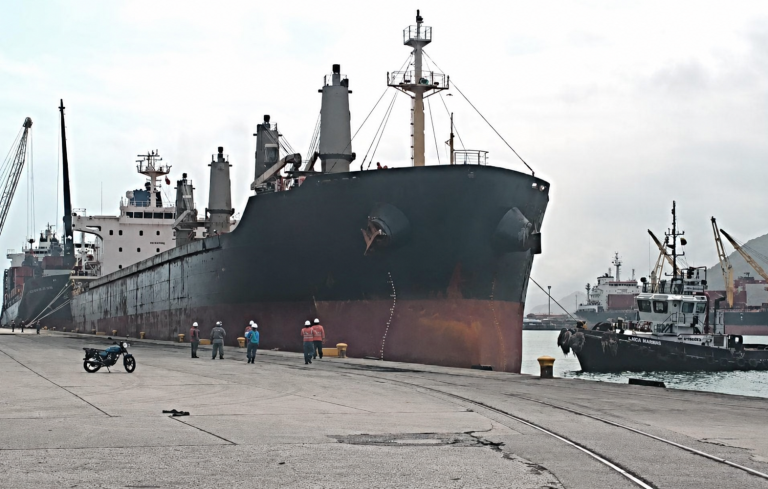
Scrap metal export operations — choosing the right port matters
Export scrap metal through the right Venezuelan port
Iron Company RSA exports scrap metal through both Puerto Cabello and La Guaira, with bulk breakbulk and container loading capacity at each. Contact our team to discuss the best port and shipping method for your next order.
Request current grades, volumes, and FOB pricing.