Aluminum and recyclable metals — feedstock for the circular economy
Recycling scrap is not only a business of prices and tonnage: it is one of the most efficient ways to reduce the industrial footprint of metals. When discussing the environmental impact of scrap metal recycling, sector reference figures are clear: using steel scrap can cut about 58% of CO₂ emissions and roughly 75% of energy use versus primary routes; recycled aluminum can save up to 95% of the energy needed for primary production. This guide explains why those benefits matter — and how they connect to the circular economy in Venezuela.
Metal recycling as a pillar of sustainability
Steel, copper, and aluminum underpin infrastructure, energy, transport, and construction. Always extracting them from mines means moving earth, burning fuels, and generating process waste. Recycling shortens that cycle: it recovers already-refined metal and returns it to production. That is why the benefits of metal recycling are not a green slogan — they are energy efficiency, lower emissions, and less pressure on ecosystems.
For international buyers evaluating responsible suppliers, a yard that sorts, documents, and exports with traceability delivers environmental and commercial value at once.
Mining’s environmental impact vs. recycling
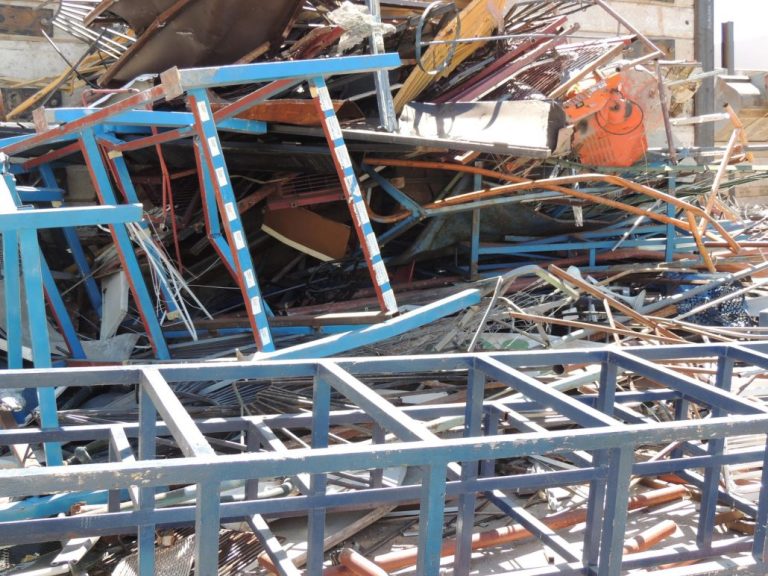
Steel from scrap — lower energy and footprint than the primary route
Primary mining is intensive in energy, water, and land. Opening and running deposits creates cumulative impacts: emissions, process residues, and landscape change. Recycling does not eliminate mining needs entirely, but it shifts a meaningful share of demand toward secondary material.
In terms of steel recycling and the environment, every tonne returned to the furnace as scrap avoids a significant fraction of the environmental cost of producing “new” steel from ore. For copper and aluminum, the contrast is often even sharper because of the energy intensity of primary refining.
Energy savings in steel and aluminum production
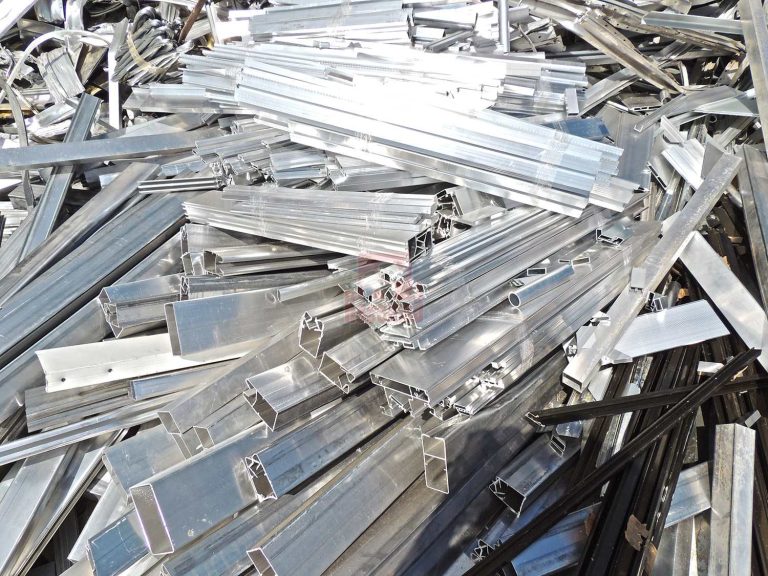
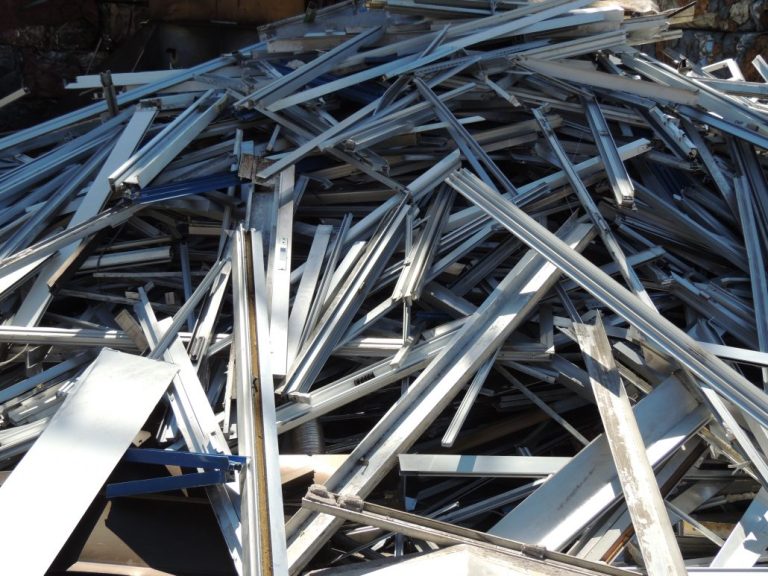
Recycled aluminum — one of industry’s largest energy savings
Sector reference figures illustrate the potential:
- Steel from scrap: about 75% less energy than equivalent primary routes.
- Recycled aluminum: up to 95% energy savings versus production from bauxite.
- Copper and other non-ferrous: meaningful reductions in energy and mining-related impacts, depending on grade and process.
That saving is concrete: lower fuel use, less pressure on energy-intensive grids, and a more competitive chain when markets price emissions. Iron Company RSA trades aluminum scrap, steel and iron scrap, and copper scrap as secondary feedstock ready to re-enter industry.
Reducing CO₂ emissions
CO₂ reduction through recycling is the metric ESG-driven buyers watch most closely. In steel, scrap use is associated with roughly a 58% CO₂ cut versus primary reference routes. In aluminum, the 95% energy saving drives a proportional emissions drop when primary power is fossil-intensive.
For a trader or melt shop, scrap is not only a “cheaper commodity” — it is an input that helps meet climate targets without sacrificing volume. The condition is quality and correct sorting: clean grades mean less reprocessing and therefore fewer avoidable emissions.
Scrap as a strategic raw material
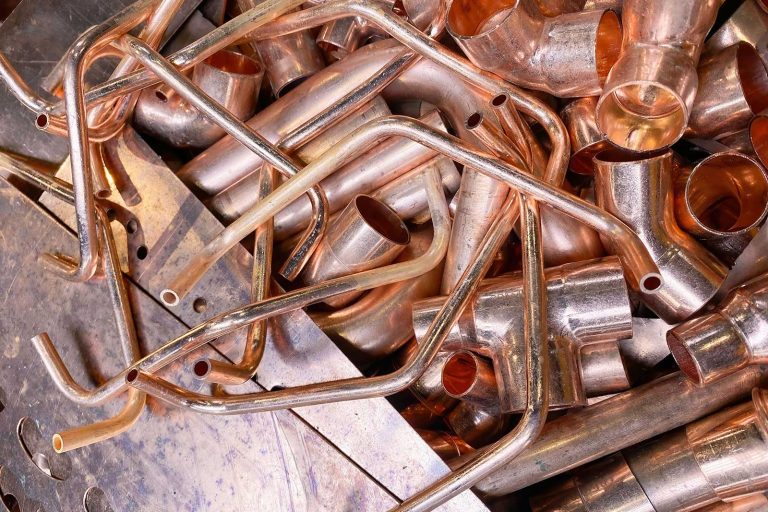
Recycled copper — a strategic resource for industry and the energy transition
Scrap and sustainability go together because recycled metal keeps critical properties: conductivity, strength, workability. In a world that needs more copper for electrification and more steel for infrastructure, scrap becomes a strategic raw material: available faster than a mining project and with a lower marginal environmental cost.
Venezuela, with industrial stock, aging infrastructure, and an active collection network, has potential to feed that demand — provided material is channeled with formality and quality. On the regulatory side, see our legal guide on who can buy and sell scrap metal in Venezuela.
Circular economy applied to metals
A circular economy for metallurgy in Venezuela means: extract less, use better, recover more. For metals, the ideal loop is:
- Collect and sort scrap by grade
- Prepare the material (cutting, cleaning, densifying)
- Remelt or reuse in industrial processes
- Return products to market and recover them again at end of life
Unlike many plastics, metals can be recycled again and again with relatively controlled losses. That trait makes metal recycling one of the most realistic pillars of industrial sustainable development.
Recycling in Venezuela: challenges and opportunities
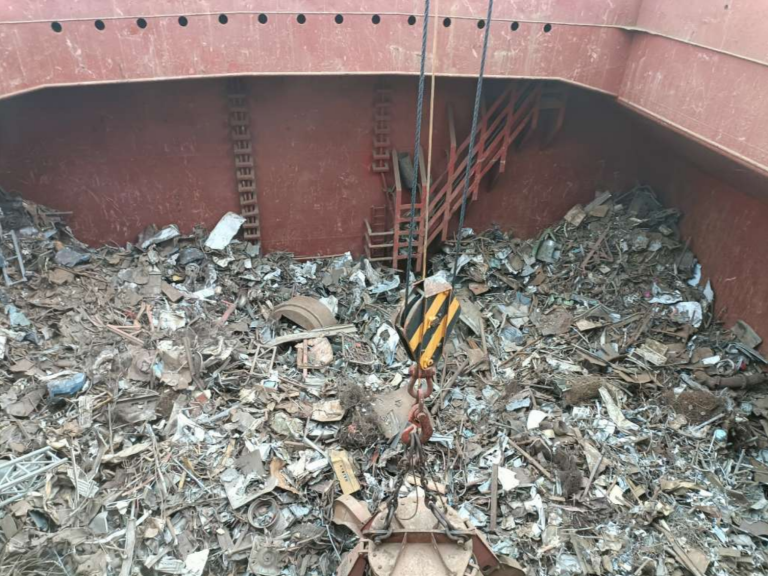
Scrap consolidation — the bridge between collection and formal markets
Venezuela has advanced circular-economy policies, yet the country still recycles less than 15% of its solid waste, according to sector-discussion references. That figure marks both a challenge and an opportunity:
- Challenge: low formal recovery rates, informality, and infrastructure gaps.
- Opportunity: wide room to professionalize collection, sorting, and responsible export.
Informal recyclers remain an essential human link: without them, much metal would never enter the circuit. Value jumps when that material reaches formal operators who can document, upgrade grades, and connect with buyers that require verifiable sustainability. How that chain evolved is covered in the history of scrap recycling in Venezuela.
Circular-economy initiatives in the metals sector
In practice, the most useful initiatives are not abstract statements, but concrete operations:
- ISRI-grade sorting and lower contamination
- Volume consolidation for melt shops and export
- Efficient logistics (container or bulk) that cuts unnecessary trips
- Documentary traceability for ESG-minded buyers
For an international buyer, choosing a supplier with these habits is both an environmental and a risk decision. For the import process step by step, see the guide for international buyers. For port logistics, Iron Company RSA offers bulk loading services.
Iron Company RSA’s sustainability commitment
Iron Company RSA treats sustainability as daily operations: recover metals, sort them rigorously, and export them with clear documentation. That reduces waste, extends metal life, and connects Venezuela to global chains that value lower-footprint inputs.
- Focus on ferrous, non-ferrous, and specialty scrap
- Processes aimed at grade quality and less reprocessing at destination
- Transparent communication with buyers on origin, volume, and logistics
Recycling scrap does not “save the planet” by magic; it does so tonne by tonne, when metal returns to industry instead of being lost or triggering more primary extraction.
Frequently asked questions
How much CO₂ is reduced by recycling steel?
As a sector reference figure, using steel scrap is associated with roughly a 58% reduction in CO₂ emissions versus equivalent primary routes.
Why does recycled aluminum save so much energy?
Because most of the primary route’s energy is consumed reducing the ore. Remelting already-metallic aluminum skips that step and can save up to 95% of the energy.
What is the circular economy in metal recycling?
It is the model that keeps metal in use as long as possible: collect, sort, remelt, and reuse, instead of relying only on mining extraction.
Where does Venezuela stand on waste recycling?
The country has advanced circular-economy policies, but still recycles less than 15% of its solid waste. That leaves wide room to improve metal recovery.
How do you choose a responsible scrap supplier?
Look for clear grade sorting, documentation, willingness to allow inspection, and formal logistics capacity. Sustainability shows up in processes, not only in messaging.
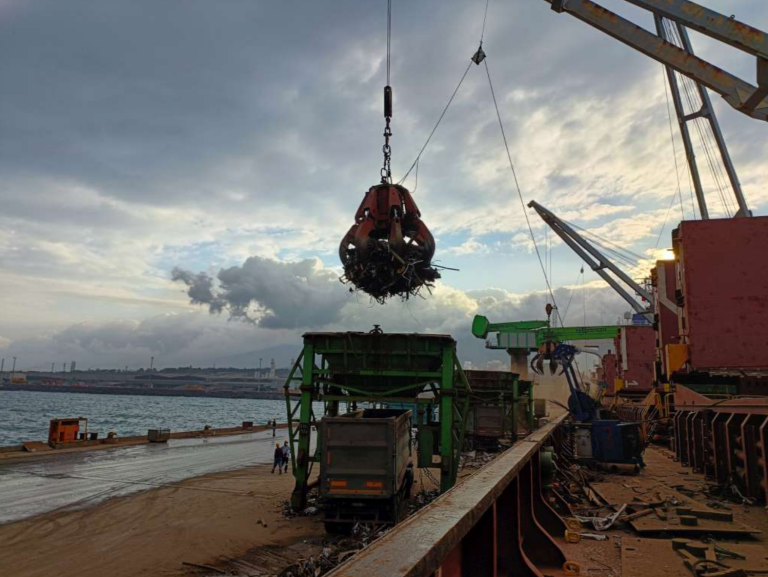
Responsible recycling and export chain — Iron Company RSA
Want to learn about our responsible recycling process?
Iron Company RSA recovers, sorts, and exports scrap metal with a focus on quality, traceability, and a lower environmental footprint for international buyers.
Contact our team to discuss grades, volumes, and sustainable supply options.