Formal scrap operations in Venezuela — compliance and traceability
Scrap metal in Venezuela is not only about prices and volumes — it is about rules. Since the State tightened control over metallic residues, local operators and international buyers keep asking the same question: who can legally buy and sell scrap metal in Venezuela? This guide explains, in plain language, the legal framework that governs the activity, the role of the State Reserve Decree, CORPOEZ, and what that means for exports. It is not a legal opinion; it is practical orientation for transparent operations. Regulations can change, so always cross-check with legal counsel and the competent authorities.
Venezuela’s scrap sector and its legal framework
For years, collection and trading of ferrous and non-ferrous metals grew alongside informality. That shifted when the State reinforced control over so-called strategic materials. Today, any serious operation — from a receiving yard to an FOB shipment — must align with scrap metal regulation in Venezuela. Ignoring that framework leads to documentary blocks, reputational risk, and loss of access to demanding international buyers.
To understand how the sector reached this point, also read the history and growth of scrap metal recycling in Venezuela.
The State Reserve Decree: what it establishes and why
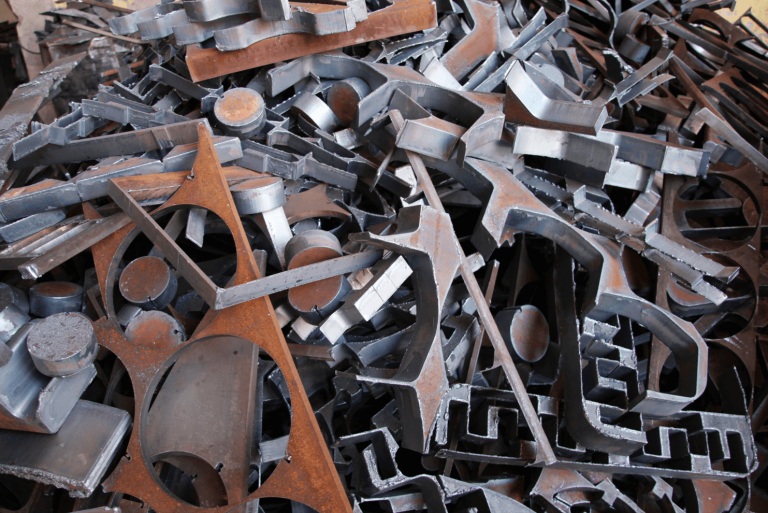
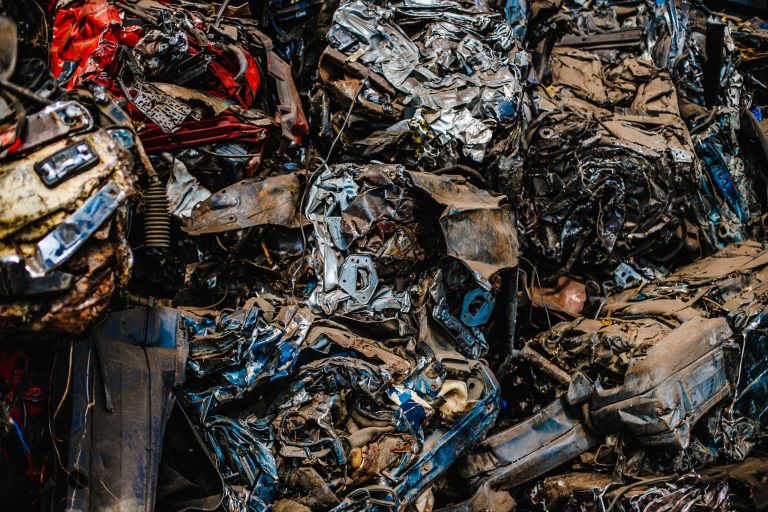
Formal process and documentary control — key to Venezuela’s scrap decree
Decree No. 2.795 (2017) is the most cited reference when discussing the scrap metal decree in Venezuela. In essence, it reserves to the State the purchase of solid metallic residues considered strategic, within a reinforced-control context that consolidated around 2016. The stated goal has been to organize the chain, reduce irregular trading, and channel critical materials through authorized mechanisms.
For the market, the message is direct: legal scrap purchase in Venezuela is not an open free-for-all. There are channels, permits, and authorized actors. Anyone operating at scale — especially with an export destination — needs to understand that architecture before signing contracts or committing tonnage.
Materials considered strategic
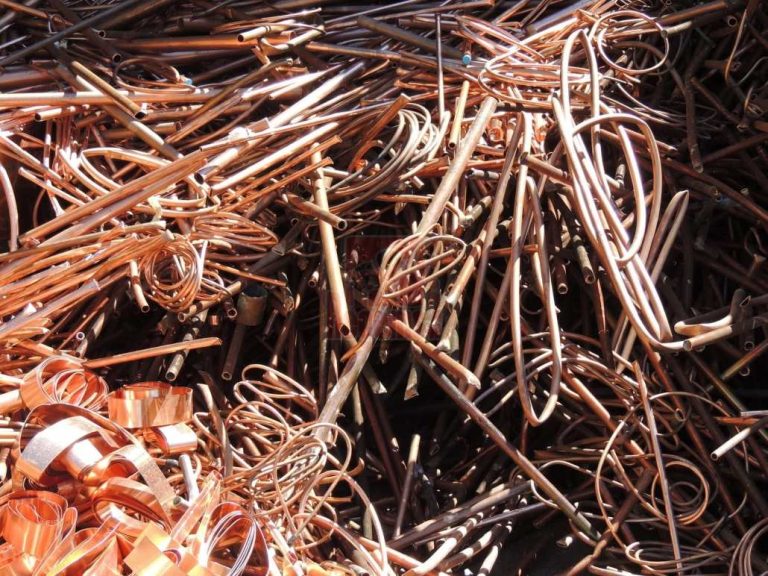
Copper and non-ferrous metals — part of the strategic materials universe
In sector practice, Venezuela’s strategic materials framework is commonly associated with high-value industrial recyclable metals, including:
- Copper — cable, bare bright, #1 and #2 grades
- Aluminum — extrusions, cast, UBC, and cable
- Iron and steel — HMS, structural, machinery
- Other non-ferrous — bronze, brass, lead, and specialty categories under authorized channels
Each category may require different documentation. That is why international buyers should not stop at “do you have copper?” — they should ask under which legal scheme that grade is traded and exported. Iron Company RSA handles copper scrap, aluminum scrap, steel and iron scrap, and specialty scrap with full documentary support.
CORPOEZ as an authorized entity
Searches for CORPOEZ scrap point to the State’s institutional role in trading metallic residues. CORPOEZ appears as a central actor in the authorized scheme: it channels and organizes, under state guidelines, operations linked to strategic materials. In practical market terms, large-scale buying/selling and export are not improvised outside competent institutions.
For a foreign buyer, the lesson is not “avoid Venezuela,” but choose counterparties that demonstrate traceability, permits, and processes aligned with the relevant authorities. Uncertainty drops when the supplier clearly explains how each lot is documented.
Who can buy and sell scrap legally?
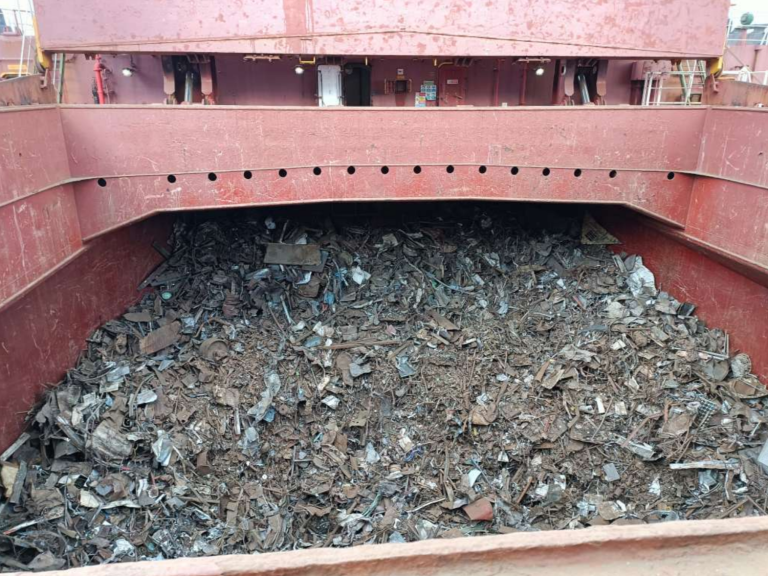
Formal volume ready for authorized channels — legal scrap purchase in Venezuela
Under the current framework, the short answer is: those enabled within the state scheme who meet the requirements of the competent authorities can operate. Depending on the case, that includes:
- Entities and channels authorized to acquire strategic metallic residues
- Private operators acting under valid permits, contracts, or authorizations
- Exporters who manage documentation required by metal category and destination
As a rule, an international buyer should not assume they can purchase scrap “from any yard” without verifying the legal channel. The correct path is to work with a local partner who knows the framework and structures the deal with paperwork in order.
Requirements for authorized operators
Although specific forms and permits depend on the competent authority and metal type, serious operators in the sector typically demonstrate at least:
- Corporate formalization — an identifiable company with a clear domicile and economic activity.
- Valid authorizations — permits or enablements by material category and volume.
- Lot traceability — origin, weight, grade, and quality documentation when required.
- Logistics and port capacity — container or bulk, with inspections when the buyer requires them.
- Export documentary compliance — invoice, packing list, certificate of origin, export permits, and other destination requirements.
These points are the baseline of any credible Venezuela scrap export requirements package for a compliance officer or international trader.
The role of private companies and informal recyclers
Venezuela’s real metal chain is still fed, to a large extent, by informal collection and small aggregators. That link exists and supplies volume, but it does not automatically equal legal commercialization at industrial or export scale. Formal private companies play a structured intermediation role: they sort, document, consolidate, and connect material to authorized channels and external markets.
Reputational risk appears when “there is street supply” is confused with “there is exportable, compliant supply.” A serious legal framework for metal recycling in Venezuela distinguishes both realities.
Implications for scrap metal exports
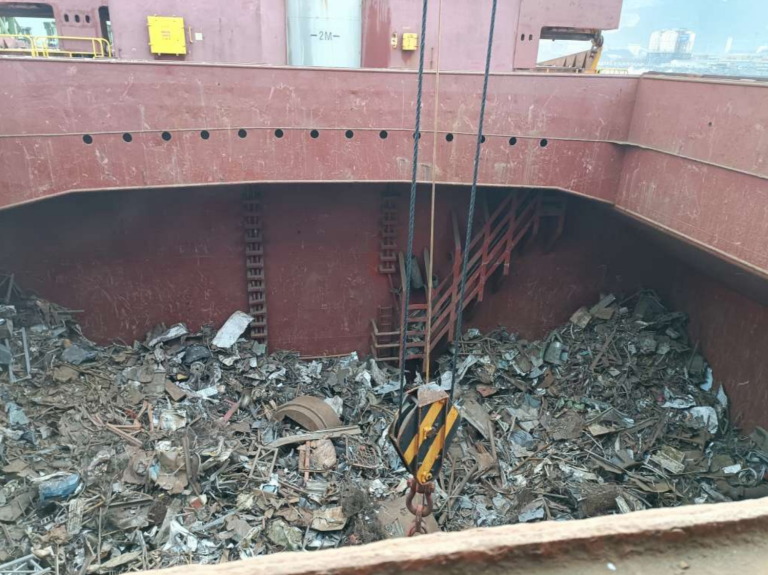
Shipment at a Venezuelan port — export requires permits and traceability
Exporting scrap from Venezuela is a regulated but viable activity when the process is followed. For buyers, that means:
- Verifying that the supplier manages permits by metal category
- Requiring inspection, weight certificates, and clear grades (including ISRI codes when applicable)
- Defining FOB/CIF terms and commercial/banking documents from day one
For operational detail — steps, documents, and logistics — see our guide to importing scrap metal from Venezuela and the comparison of export ports (Puerto Cabello vs. La Guaira). We also offer bulk scrap loading at Venezuelan ports.
Challenges of the current legal framework and possible changes
The main challenge is not only that rules exist, but their practical interpretation and updates. Operators and buyers face:
- Administrative or criteria changes in permits and channels
- A gap between informal collection and formal channels
- Stricter due diligence demand from international buyers
Without inventing nonexistent reforms: the prudent approach is to assume the framework can evolve, and that competitive advantage will belong to suppliers with documented processes and adaptation capacity. In parallel, the market also measures environmental impact and sustainable traceability; on that angle, see the environmental impact of scrap recycling and circular economy in Venezuela.
How Iron Company RSA operates within the legal framework
Iron Company RSA positions itself as a transparent partner for those who need to buy or export scrap under clear rules. That means:
- Operating with complete documentation by metal category
- Facilitating inspection and grade verification before shipment
- Explaining the process to international buyers without empty promises
- Connecting ferrous, non-ferrous, and specialty supply with real port logistics
If you also want to know which metals concentrate the most value in the local market, see the 2026 ranking of highest-value scrap metal in Venezuela.
Notice: this guide is informational and does not replace legal advice. Before investing or operating, verify current requirements with specialized counsel and the competent authorities.
Frequently asked questions
Is it legal to export scrap metal from Venezuela?
Yes. It is a regulated and legal activity when permits and requirements are met by metal category and volume. The key is the authorized channel and documentation.
Can a foreign buyer purchase scrap directly from any yard?
That is neither advisable nor typical in serious deals. The correct approach is to work with a formal operator who manages trading and export within the current framework.
What is CORPOEZ in the scrap market?
CORPOEZ is a central institutional actor in the state scheme linked to strategic materials. Its role reinforces that large-scale trading does not happen outside authorized instances.
Which metals are considered strategic?
In sector practice: copper, aluminum, iron, steel, and other industrial non-ferrous metals. Documentation can vary by category.
What is Decree 2.795 in Venezuela?
It is Decree No. 2.795 of 2017, a key reference for the State Reserve Decree on solid metallic residues, within the reinforced-control context from around 2016.
What should a compliance officer ask a Venezuelan supplier?
Corporate identity, valid permits, lot traceability, inspection capability, and export paperwork consistent with grade and destination.
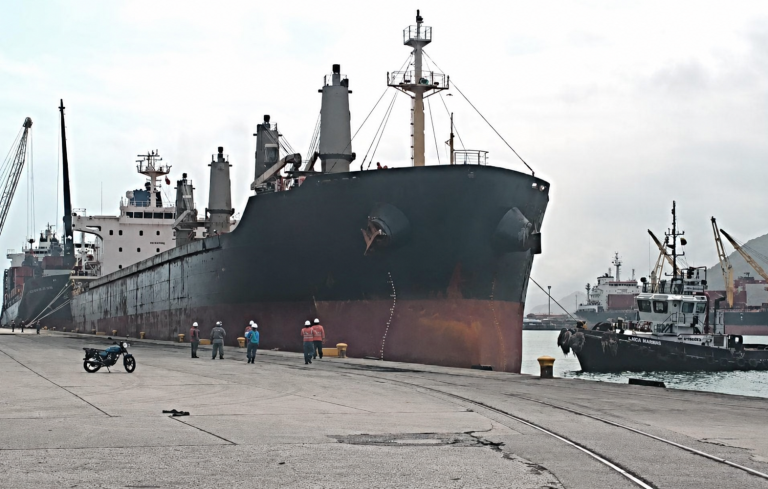
Export aligned with the legal framework — Iron Company RSA
Need guidance to export scrap under the current rules?
Iron Company RSA helps international buyers and local partners structure scrap operations with clear traceability, documentation, and port logistics.
Contact our team to orient your purchase or export within Venezuela’s legal framework.